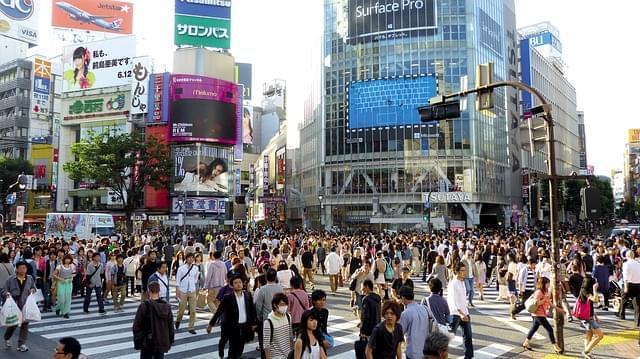
 Tokyo, the capital of Japan, is a veritable riot of modernity that constantly mixes with its ancient Japanese tradition. It is characterised by numerous neighbourhoods, such as Shinjuku, the administrative heart and seat of the Metropolitan Government, Shibuya, Ginza with its elegant clubs and boutiques, Asakusa with its ancient temples, and Akihabara, where technology and a passion for anime and manga live.
During your stay in these attractive neighbourhoods, you will need a comfortable and reliable place to kick back and relax. Tokyo is home to a range of accommodation suitable for every budget. For example, Anne Hostel Yokozuna is a pocket-friendly accommodation option you might want to consider. For more hostel information, you can visit their website at http://anne-hostel-yokozuna.tokyo-hotels-stay.com/en/
You may also want to browse through a range of other top-rated hotels in Tokyo to find one that meets your needs and preferences. You can find compiled lists and reviews on various websites such as tophotels.com.
Tokyo is literally full of things to see and do, not only shopping and splendid skyscrapers, but also nature with its marvellous cherry trees in blossom and its red autumn leaves, religion, with its imposing shrines and temples, and typical food and wine with sushi and ramen. A city with a unique and magical atmosphere.
The Park Hotel in Tokyo is another excellent accommodation choice strategically placed within reach of these attractive sites. This hotel is a perfect blend of comfort and sophistication, making your Tokyo experience unforgettable. Here are some climate tips to make sure you visit it in the best way depending on the time of year.
Tokyo, the capital of Japan, is a veritable riot of modernity that constantly mixes with its ancient Japanese tradition. It is characterised by numerous neighbourhoods, such as Shinjuku, the administrative heart and seat of the Metropolitan Government, Shibuya, Ginza with its elegant clubs and boutiques, Asakusa with its ancient temples, and Akihabara, where technology and a passion for anime and manga live.
During your stay in these attractive neighbourhoods, you will need a comfortable and reliable place to kick back and relax. Tokyo is home to a range of accommodation suitable for every budget. For example, Anne Hostel Yokozuna is a pocket-friendly accommodation option you might want to consider. For more hostel information, you can visit their website at http://anne-hostel-yokozuna.tokyo-hotels-stay.com/en/
You may also want to browse through a range of other top-rated hotels in Tokyo to find one that meets your needs and preferences. You can find compiled lists and reviews on various websites such as tophotels.com.
Tokyo is literally full of things to see and do, not only shopping and splendid skyscrapers, but also nature with its marvellous cherry trees in blossom and its red autumn leaves, religion, with its imposing shrines and temples, and typical food and wine with sushi and ramen. A city with a unique and magical atmosphere.
The Park Hotel in Tokyo is another excellent accommodation choice strategically placed within reach of these attractive sites. This hotel is a perfect blend of comfort and sophistication, making your Tokyo experience unforgettable. Here are some climate tips to make sure you visit it in the best way depending on the time of year.
Climate, Average Temperatures and Rainfall
Month | Average temperature | Rainfall days |
|---|---|---|
January | 1 / 10° | 5 days / 50 mm |
February | 2 / 10° | 6 days / 55 mm |
March | 4 / 14° | 10 days / 120 mm |
April | 9 / 19° | 10 days / 125 mm |
May | 14 / 23° | 10 days / 140 mm |
June | 18 / 26° | 11 days / 170 mm |
July | 22 / 29° | 10 days / 155 mm |
August | 23 / 31° | 8 days / 170 mm |
September | 20 / 27° | 11 days / 210 mm |
October | 14 / 22° | 10 days / 210 mm |
November | 8 / 16° | 7 days / 95 mm |
December | 4 / 12° | 4 days / 50 mm |
Best period: winter (especially the New Year period), offering cold but not freezing temperatures. Alternatively, the very first months of spring (cherry blossom period), before the peak rainy season begins.
Period to avoid: the rainy season runs from March to October, but the months really to avoid are those between June and October.
The climate in Tokyo is predominantly humid sub-tropical, although winters are mild and not excessively cold thanks to the protection of the mountains, summers on the other hand are very hot, sultry and characterised by frequent rainfall (except in August). There is hardly a shortage of sunny days in all seasons. The monsoon circulation that characterises the whole of Japan causes cold north-westerly currents to prevail and hot, humid tropical currents to prevail in summer. Beware of possible typhoons, from June to October, the tropical cyclones that mostly affect the southern part of Japan. Rainfall in the city is abundant, especially during the autumn season from September to October. The temperature range is rather low; during the night, temperatures are still high.
When it is best to go to Tokyo: the cheapest time of year
Tokyo is a rather expensive destination at all times. The low season coincides with the rainy season, but this is also the least suitable time for a holiday. However, it is possible to visit the city in September/October if you are willing to see the sights in the rain.
In general, the other periods have fairly similar prices. The general rule of thumb to save money is to avoid periods close to festivals and holidays (Chinese New Year, cherry blossom, Golden Week in spring, the Obon in August). March and early November might be a good compromise, in any case better to book several weeks in advance.
Tokyo in Spring
 Tokyo and Japan are characterised by the blossoming of the cherry trees, the hanami, a tradition that has been going on for thousands of years and that everyone looks forward to. The cherry blossoms, the sakura, represent life and beauty, albeit ephemeral, as the blossom only lasts a few weeks a year. Don' t miss the festivals held in the Ueno Onshi park, where you can admire the many ancient cherry trees, or in the Shinjuku-Gyoen National Garden, even at night, with the cherry trees adorned with paper lanterns, or with simple but wonderful outdoor picnics. Another wonderful activity to try in conjunction with the hanami is to board a water bus on the banks of the Sumida and admire the Bokutei and Chuo ohashi cherry trees, then get off at the Humarikyu Gardens stop, beautiful feudal gardens with a lake and a delightful tea room right on the small island in the middle of the lake, a unique experience to admire the blossoming cherry trees of the most common varieties such as those of Somei Yoshino and Yaezakura and the rarer ones of Kanzan, Fugenzo and Ukonzakura. From 29 April to 5 May, there is also the highly popular national holiday, Golden Week.
Tokyo in Summer
 Amidst heat, sultriness and the constant chanting of cicadas, in Tokyo as in the rest of Japan, summer is synonymous with festivity and fun, characterised by ancient traditions and local cultures: the natsu-matsuri, a riot of music, dances, parades and stalls in different corners of the city, such as yomise with octopus balls (tatoyaki), and yakisoba (grilled noodles). In particular, in July, gion matsuri is celebrated in honour of the purifying rites of the gods that were practised to appease the epidemics of the 9th century, and in the last week of August, Tokyo Koenji Awaodori, the most important of the dancing festivals, and Sumida gawa hanabi taikai, a large festival dedicated to hana-bi, the fireworks. The most important festival is probably the Fukagawa matsuri, near the Hachiman shrine, characterised by parades of Shintoists running around carrying canopies in a chaotic and disorderly manner with shoving and throwing water at each other as if to purify themselves, to wish each other good luck. Finally, on 15 August, the obon, the lantern festival dedicated to the dead, is celebrated.
Tokyo in Autumn
 Autumn in Tokyo is covered with the peculiar hues of the leaves changing colour, the so-called koyo phenomenon, and between momijigari, or kanpūkai, or the continuous search for the best places to admire the warm colours of this season, the red leaf in particular.
Among the best places in Kyoto are temples and shrines with beautiful gardens lit up even after sunset: among the most beautiful are Yoshimine-dera, Eikando,Tofuku-ji, Kiyomizu-dera. Also not to be missed are Icho Namiki, the famous 'gingko street' with its stunning golden autumn colours, and Koishikawa Korakuen and Rikugien parks. A suggestion is also to get out of the city and enjoy amazing locations such as Nikko, about 2 hours away by train, with the Kegon and Yumoto onsen waterfalls and the Rinnoji temple, Kamamura, a magnificent town about an hour away by train, and the spectacular Mount Takao, 50 minutes away by train, full of fantastic nature trails. Also recommended are the gardens of Hakone, about two hours from the city. Also not to be missed is the Tokyo Ramen Show, celebrating the typical Japanese soup.
Tokyo in Winter
 The Christmas air definitely makes itself felt (even though Japan is not a Christian country). Kyoto is sprinkled with lights and illuminations and 25 December is considered a romantic holiday to spend with your other half. The most beautiful night lighting can be found in the ancient Rikugien Park. Do some tech shopping and anime and manga in the Akihabara or Ueno districts, the city's most central. At the end of the year, the city is filled with a unique atmosphere in the run-up to New Year's Eve, known as o-shogatsu, with the festival of hatsumode, the visit to a sacred place on the first of the year to pray and watch the 108 chimes, joya-no-kane, symbolising the 108 sins that must be purified. A typical custom is also to pray, clap hands and throw coins, as a sign of good luck. At midnight, there is also the custom of releasing coloured balloons into the sky, as happens at Zojoji Temple in the Roppongi district and at Fudoson Meguro Ryusenji Temple. Also not to be missed are the fireworks from Tokyo Tower, Shiodome, the National Museum, the Skytree (skyscraper-observatory) and the Roppongi Hills.